
Instruction drawings are visual guides that show someone how to assemble, use, install, or maintain a product.
They communicate actions step-by-step using clear illustrations rather than relying heavily on text. The goal is precision, clarity, and universal understanding.
Instruction drawings reduce ambiguity, minimise user error, and support multilingual distribution. By relying on clear visuals and standardised symbols, they ensure consistent understanding across different markets.
In short, they are a form of technical communication through illustration, focused on usability and accuracy rather than decoration.
Often called assembly drawings, technical illustrations, steps by step drawings, installation diagrams, how to illustrations, visual instructions user manual graphics and set up diagrams just to name a few. It’s no wonder that guided illustrations like these are often overlooked when searching for an artist who produces instructions like these.
Take a look at the examples below and click on the images to find out more about that commission.
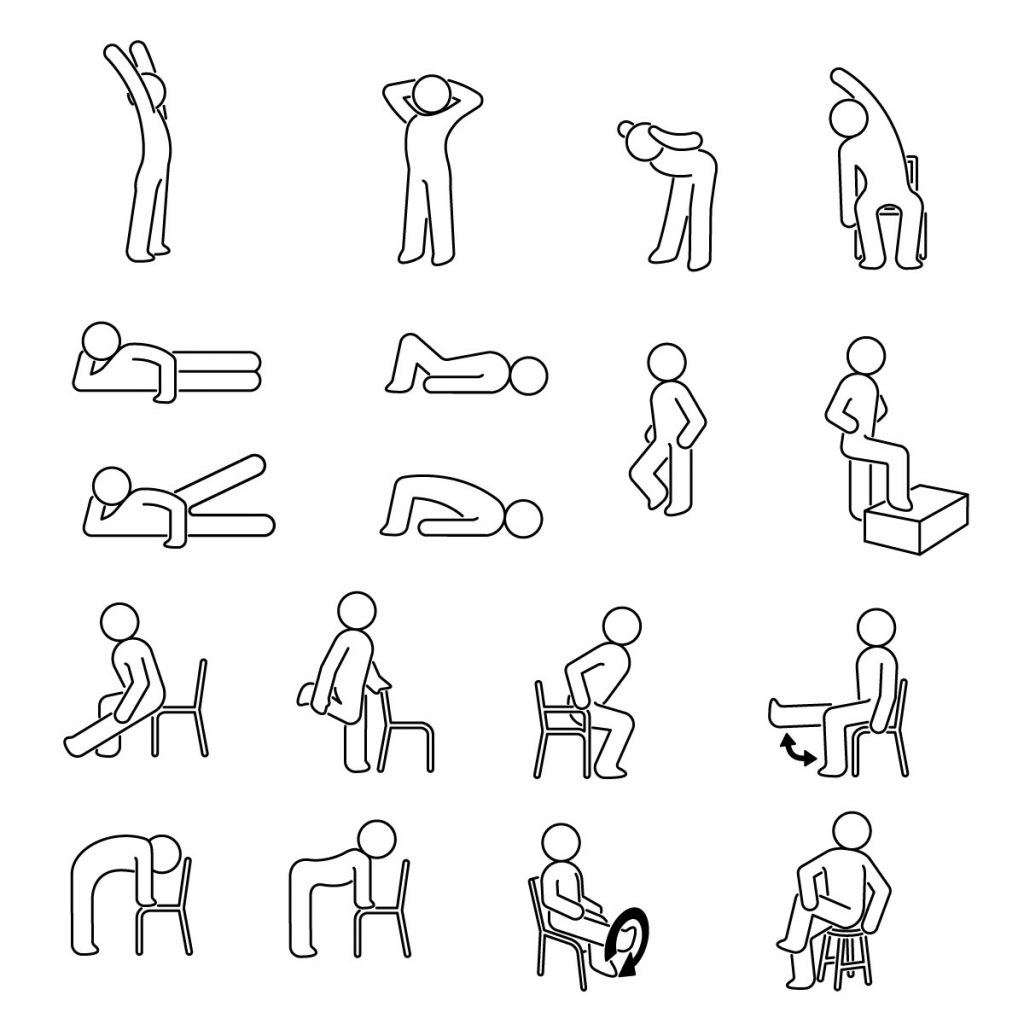
Simple exercise instructions
Simple exercise instruction illustrations created for clarity and ease of use.
The brief required friendly, gender-neutral characters, with each exercise shown in no more than two poses to keep the visuals clear and concise.
Rather than using a basic stick figure, a bespoke “Morph”-style character was developed to create a more engaging and approachable result.
A fun instruction commission.
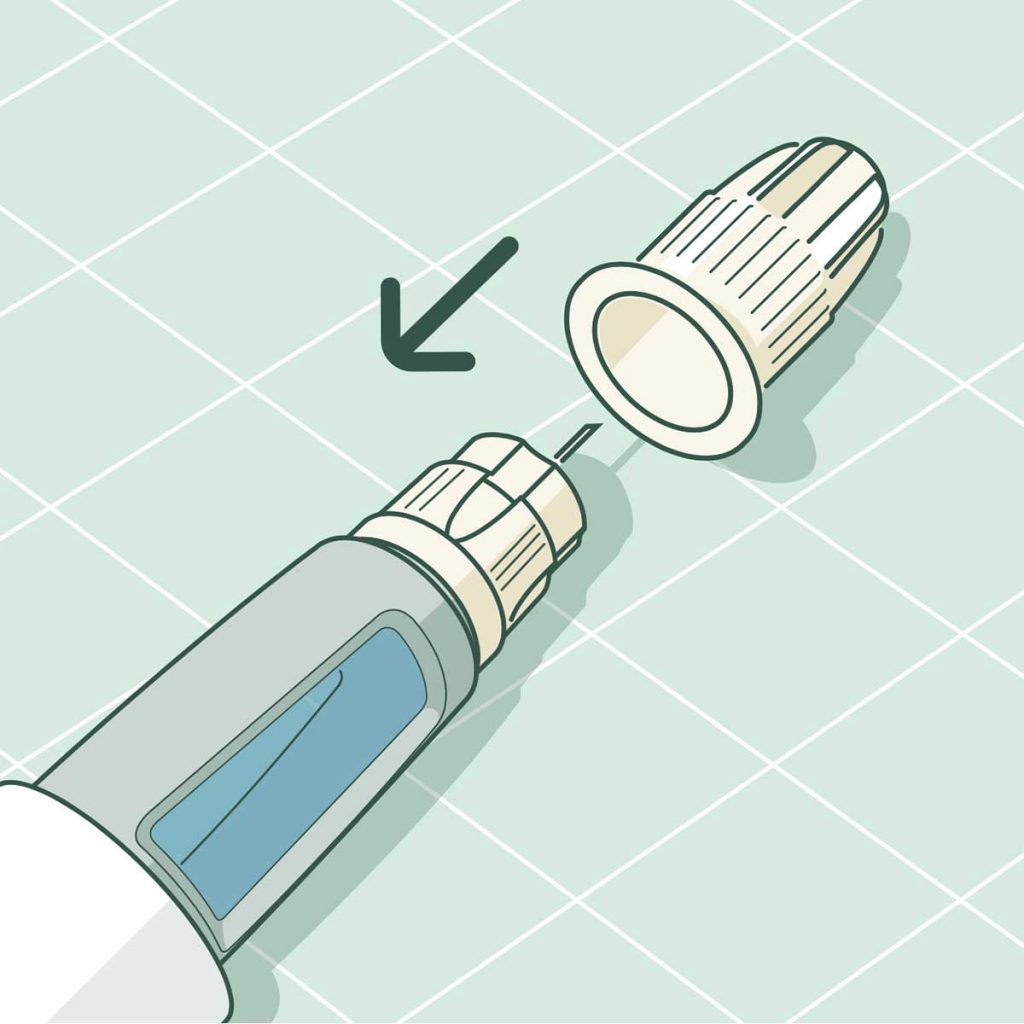
Medical instruction
Medical Instruction Illustration
Clear, user-friendly illustrations were created to support the launch of Embla Medical’s self-injectable weight-loss medication. The goal was to translate a clinically precise process into reassuring, easy-to-follow step-by-step.
Developed in line with the brand’s visual identity, the illustrations use a consistent, human-centred style. Final production and artwork created in Adobe Illustrator.
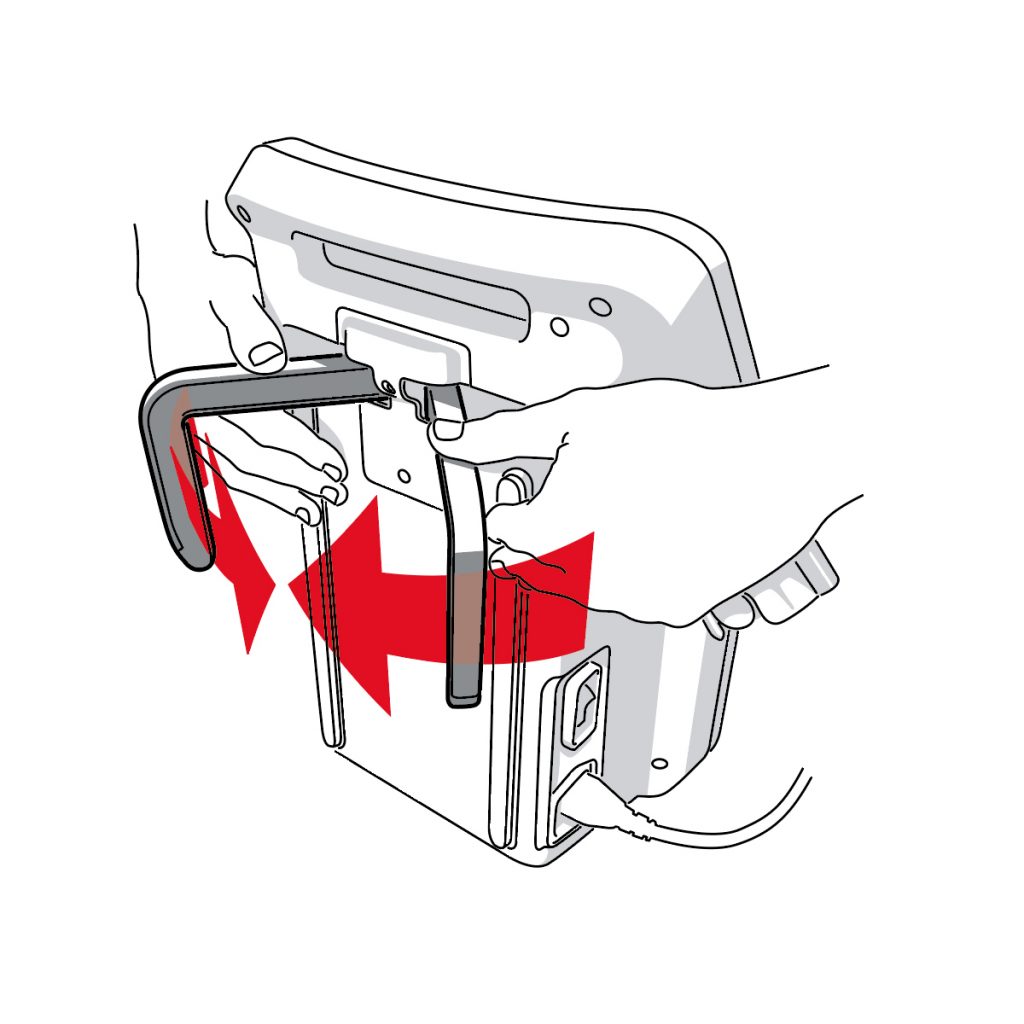
Medical pneumatic pump instructions
Instructional medical illustration demonstrating the correct fitting of a UK-manufactured pneumatic mattress to a hospital bed. Clear red arrows indicate movement and positioning, making the graphic ideal for user manuals and operator guides.
The objective was to provide concise, accurate setup guidance for healthcare professionals, ensuring safe and correct use. Developed within the client’s brand style, the illustration uses clean linework, minimal shading, and strong colour contrast for clarity and global usability. Created in Adobe Illustrator.
Assembly instruction
Assembly instruction illustrations created for a laptop accessory and printed directly onto the product.
The graphics were designed to be multilingual, intuitive, and easy to follow, ensuring clear understanding across a diverse user base. Due to single-colour print limitations, a simple, clean technical illustration style was used to maximise clarity and step-by-step accuracy.
Produced in Adobe Illustrator, the instructions make the assembly process straightforward and accessible, even for non-technical users.
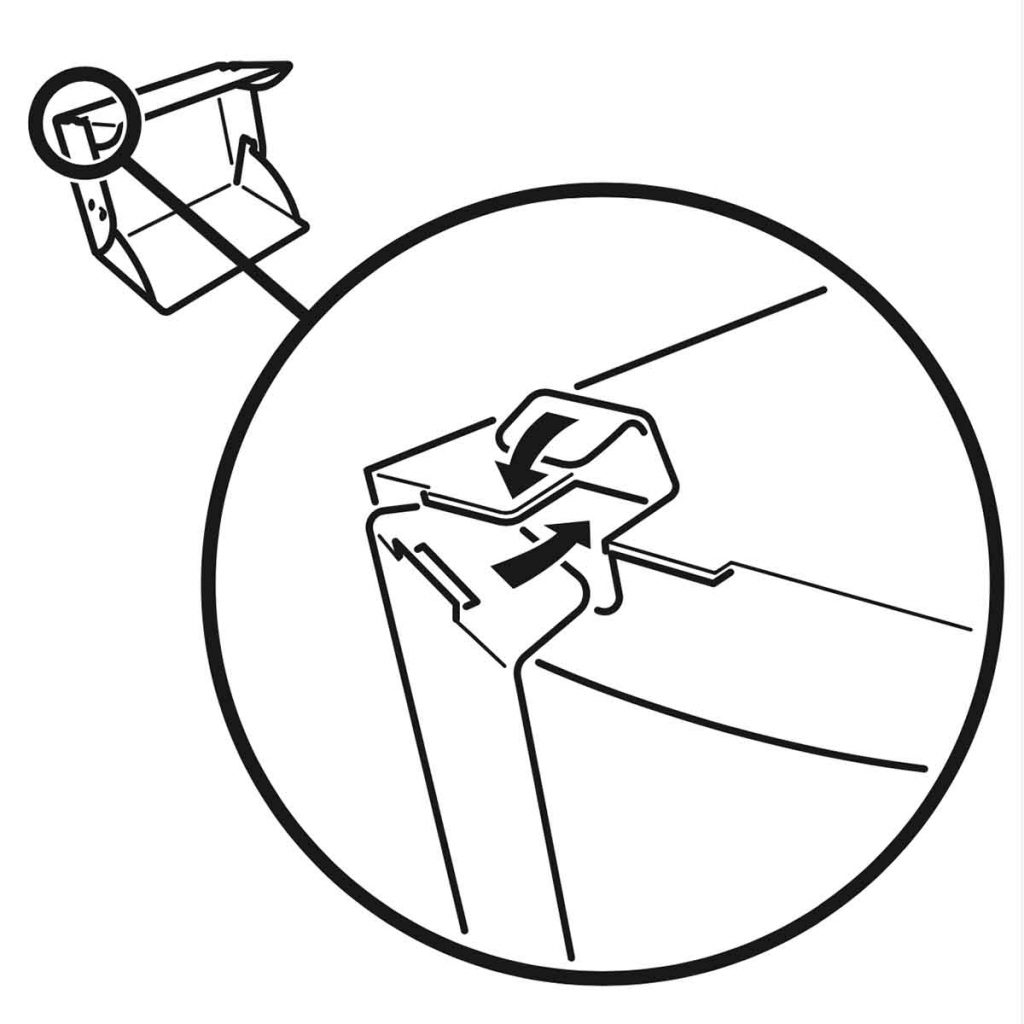
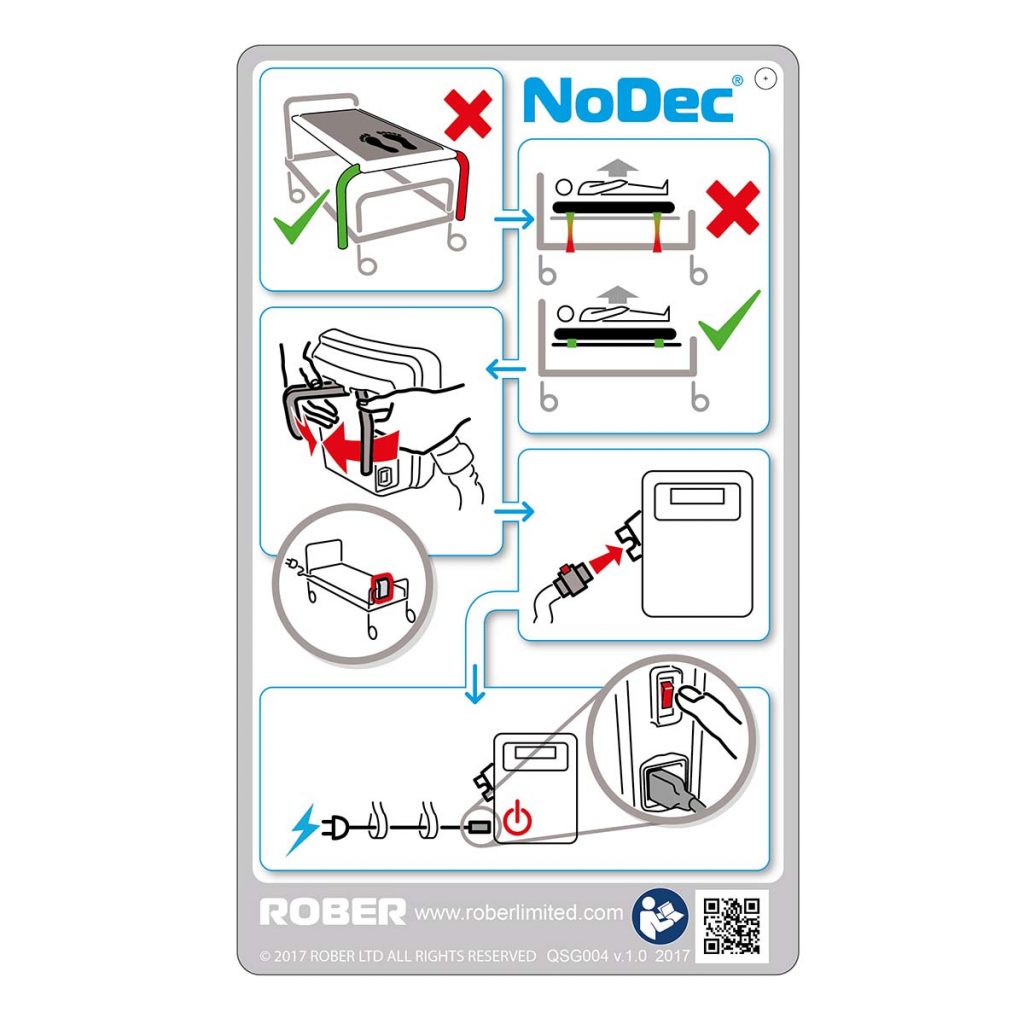
Medical quick guide instructions
Instruction illustration created for a Quick Start swing tag for a medical mattresses, designed for clear, multilingual use in hospitals worldwide.
The objective was to deliver simple, accessible guidance for medical staff. The design prioritised clarity, using universal symbols such as ticks, crosses, and arrows, with selective colour highlights to emphasise key actions. Produced in Adobe Illustrator.
The swing tag format ensured easy access and prevented loss, while an integrated QR code linked to a detailed digital manual for extended guidance.
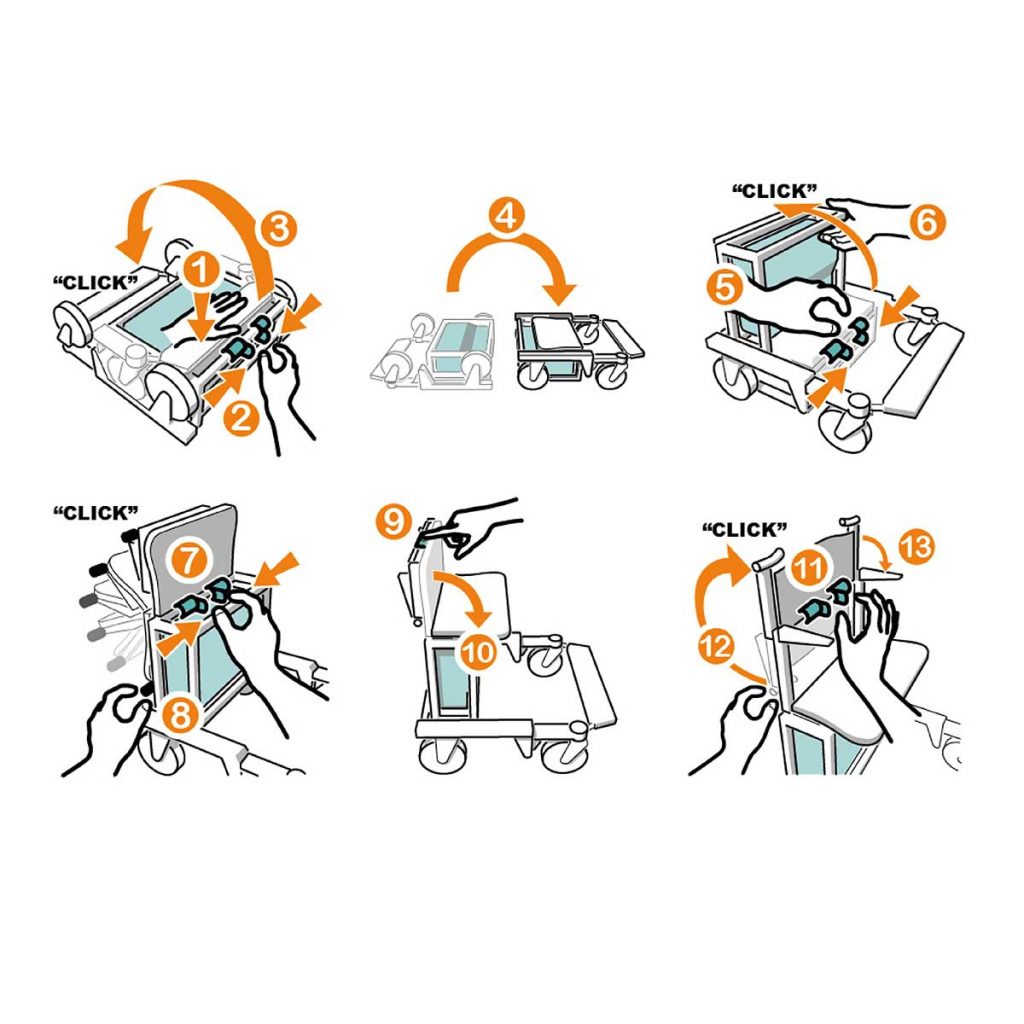
Compact mobility chair
Assembly instruction illustrations for a compact mobility chair, providing clear, step-by-step guidance for assembly and disassembly.
Designed for global use, the graphics use numbered stages and directional arrows to ensure multilingual clarity, with part references matching the chair components. Technical disassembly drawings appear on the reverse.
Assembly drawings
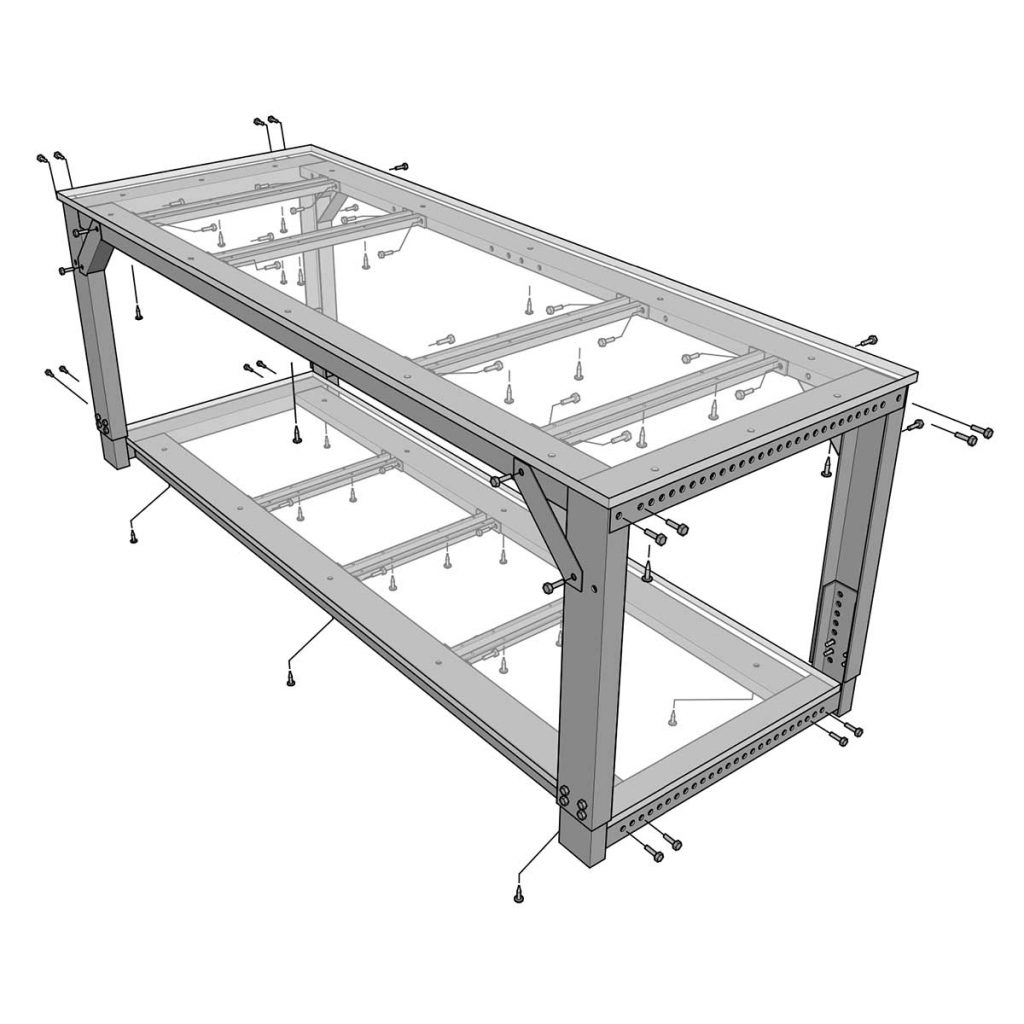
Technical illustration instructions of a workbench created as clear assembly instructions.
The objective was to guide users step by step through the build process using a clean line style with subtle shading to give it some form. Black lines define the components, while a transparent worktop reveals the underlying structure for added clarity.
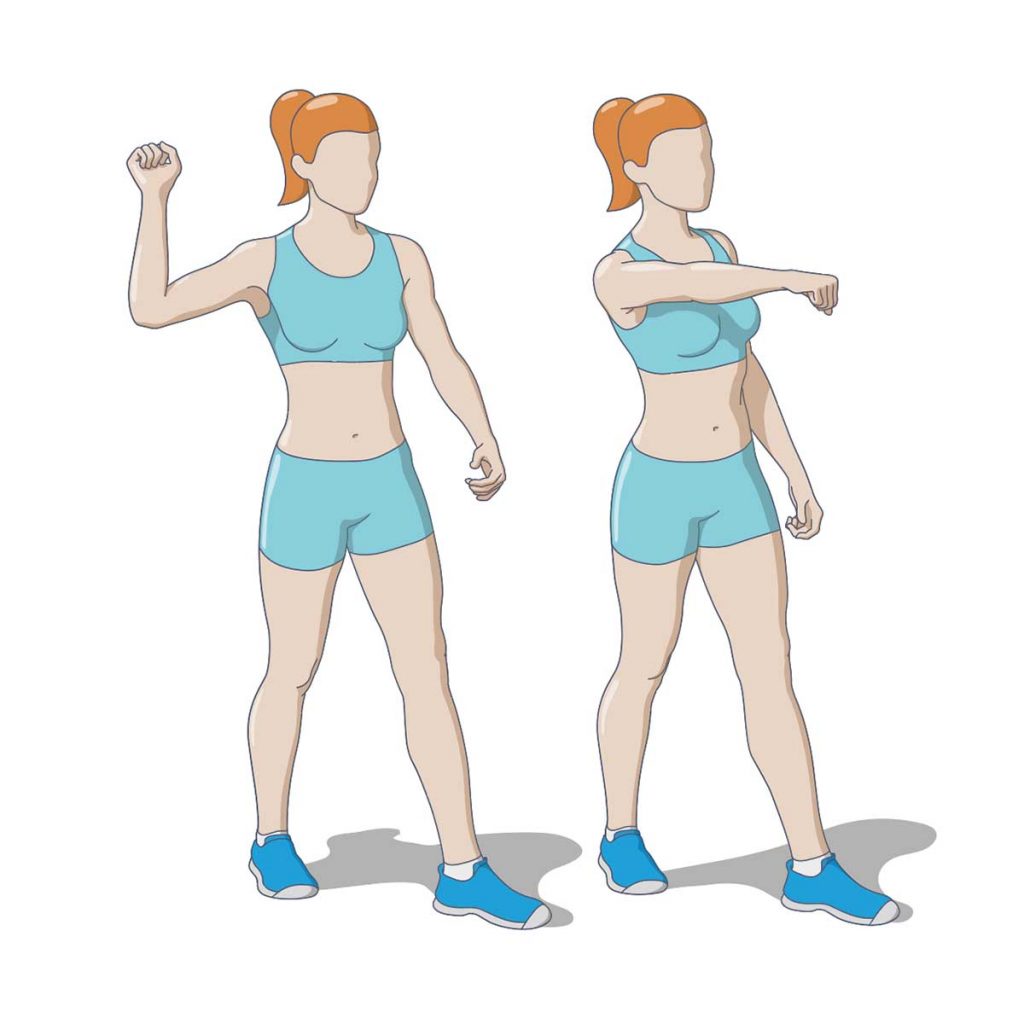
Exercise instructions for US market
Exercise instruction illustration created for the US market, showing two stages of a movement for inclusion in a workout booklet.
Part of a wider series covering gym and home exercise equipment, the graphics provide clear visual guidance for each exercise. Initially sketched by hand and finalised digitally in Adobe Illustrator.
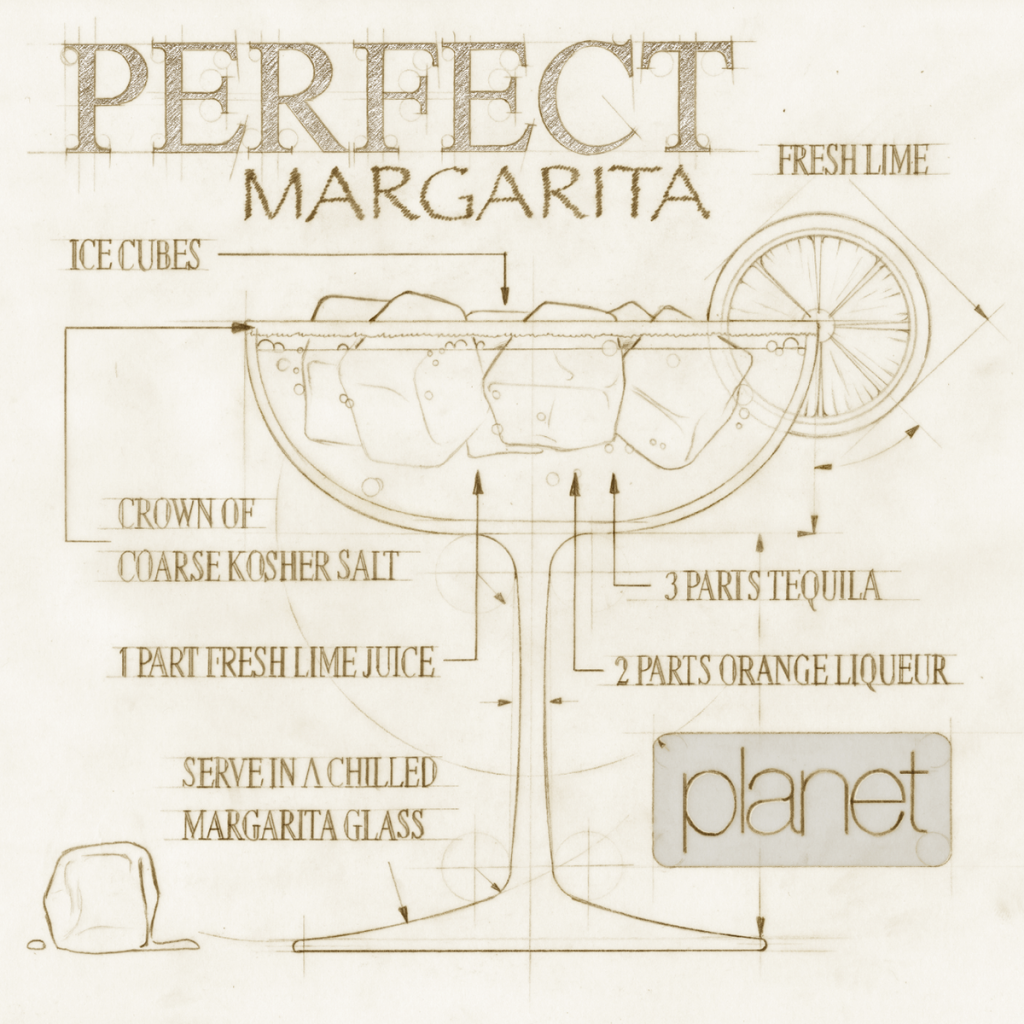
Perfect Margarita cocktail
Technical instruction illustration inspired by the sketchbook style of Leonardo da Vinci, showing how to make the perfect Margarita cocktail.
The artwork echoes his classical technical drawings, combining handwritten notes, diagrammatic layout, and detailed linework to present the recipe as if it were an inventive study. Blending historical aesthetic with modern mixology, the illustration transforms a simple cocktail guide into a playful homage to Renaissance engineering sketches.
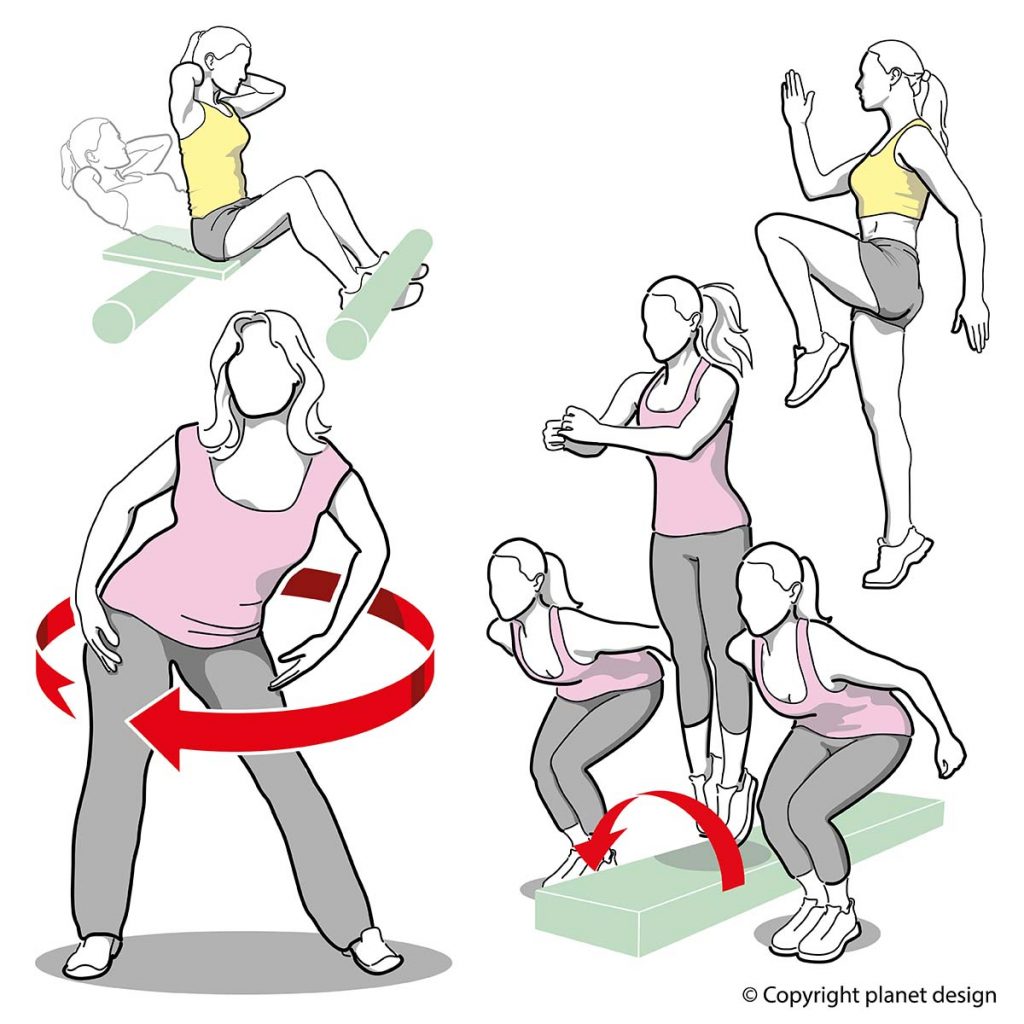
Exercise instruction
Exercise instruction illustrations created for a UK manufacturer of outdoor gym equipment, designed for public parks, schools, and open spaces. The pictorial style removes language barriers, making the boards suitable for multilingual use. Over 100 original illustrations were produced for the 2017 commission, with further projects in the same style across the UK and North America.
FAQ - Frequently Asked Questions
Customer FAQ
illustrator FAQ
How much will it cost ?
It’s best to contact Adrian with a clear idea what you want, but if you’re not sure, that’s no problem. You can have an informal chat about what you want to do. This is normally the best method. Call Adrian 07803126079
When can I have it ?
Delivery is typically within 2 weeks. Although the delivery depends on many factors, like amount of work involved. The speed in which reference or answers to questions from the customer can also impact progress. In other cases, some commissions are completed in a matter of a few days. It all depends on the volume of work, and schedule. I suggest asking during the briefing.
What if I don't like it ?
In 33 years freelancing, I’ve never had a job go bad. But I do have a process in place to help protect the customer and myself. It’s a simple process. The illustration is produce over multiple steps, to avoid confusion or going off track. My customers like it, because it involves them, giving input. That way we avoid misunderstanding things, and if so, it’s corrected at that stage.
I always encourage my customers to honestly give feedback when the illustration is delivered to make sure they’re happy with it. And if there’s anything (it happens), then it’s rectified.
Read my reviews to see how commissions go. Reviews
Copyright, who owns it ?
Typically, the copyright belongs to the original artist, but the exclusive usage belongs to the commissioning customer. This is standard international copyright law. And means that nobody without consent from the original artist and commissioner can legally use part of or wholly the art in question. Copyright Law
What do you want illustrating ?
The best method to start with is a telephone conversation. This will cover many questions, and help guide the best options available. This will speed things up a lot, and answer any concerns you might have. Call Adrian 07803126079
Do you have a budget ?
Try to be realistic about commissioning a bespoke illustration from a professional illustrator.
I don’t overcharge my customers, because they’ll go somewhere else next time.
It’s good business to be honest and work together as a team to get the best results. Simples !
Collect all the information you have to help produce the illustration
So please collect reference suitable for the commission.
Are you available for questions & updates ?
During the illustration process, it’s important that there’s communication between the illustrator and one other, who’s the point of contact regarding the illustration commission. This is often the person who contacts the illustrator originally. But sometimes it’s a team of people.
In that case one person should be appointed the main contact. This will avoid conflicting feedback, and keep a clear channel for communication.
Want more information?
With over 30 years experience, I’m sure we can help you… make that call.