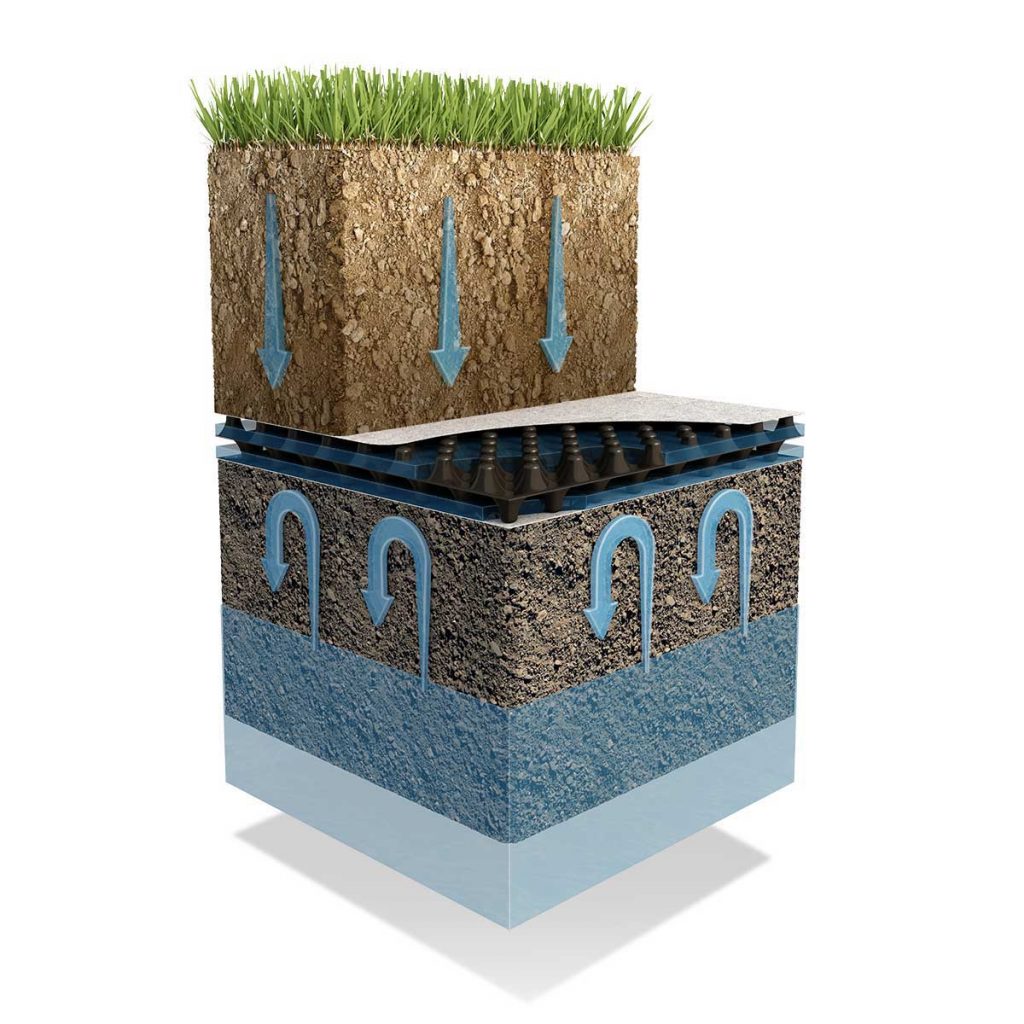
Cutaway illustrations are used extensively in engineering. Below is a wide range of cutaway illustrations, showing cross sections and some additional techniques to get the best out of technical illustration. These graphic illustrations help to show how things work, or their place in engineering construction.
At the bottom of the page, there’s a FAQ’s section that might help you to find an illustrator suitable for technical illustration and cutaway drawings.
Take a look at the different styles, and feel free to call Adrian if you have any questions.
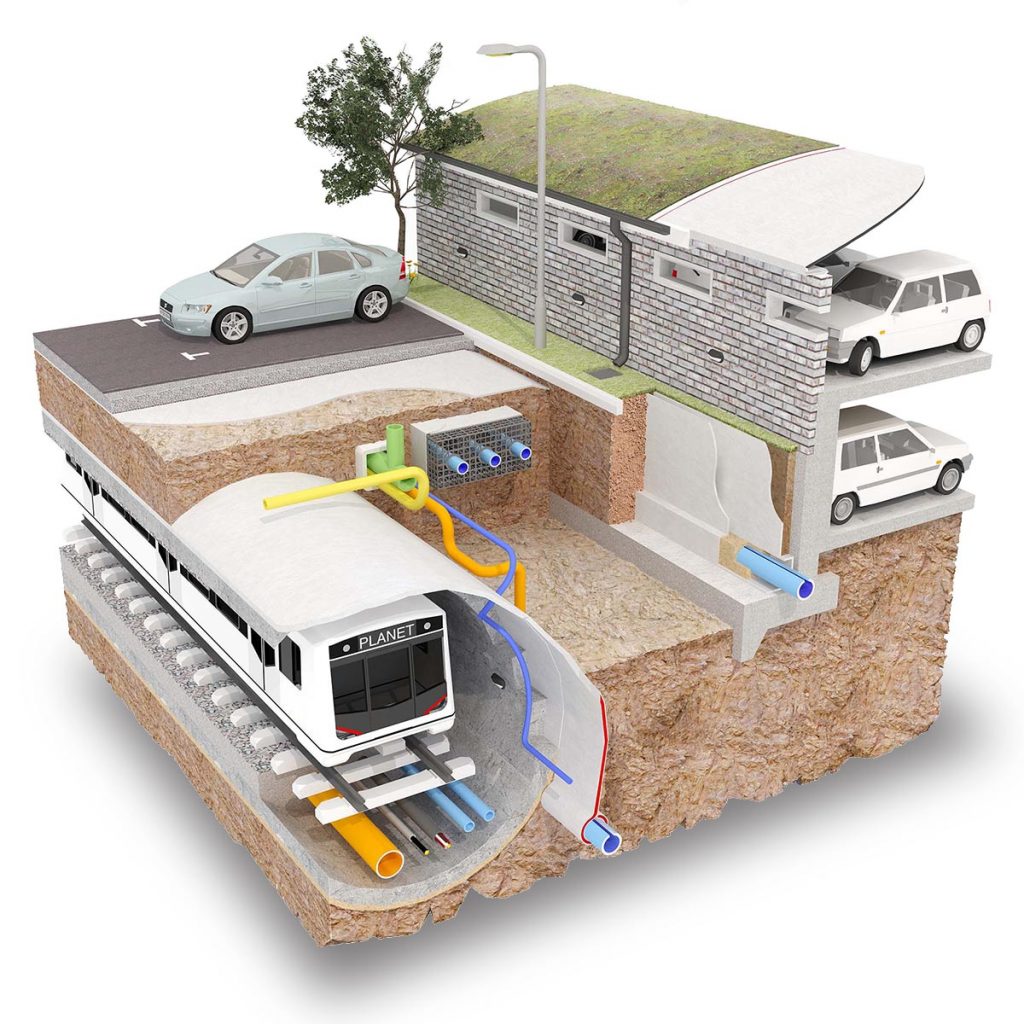
Civil engineering
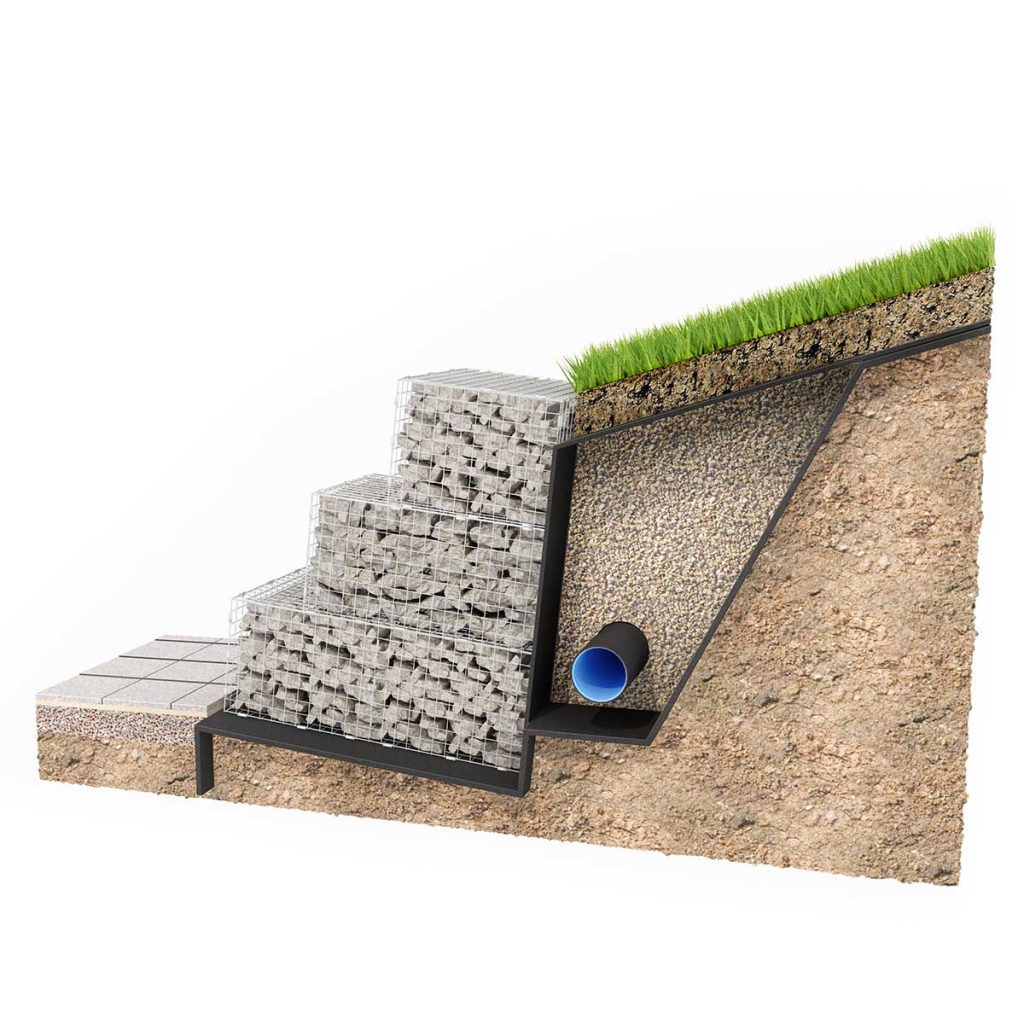
This is a typical cross sectional cutaway illustration.
The illustration shows the different materials used in the construction using geo textiles to help support construction and protect utilities in a commercial environment.
Produced for a customer in the UK.
Learn more about this illustration.
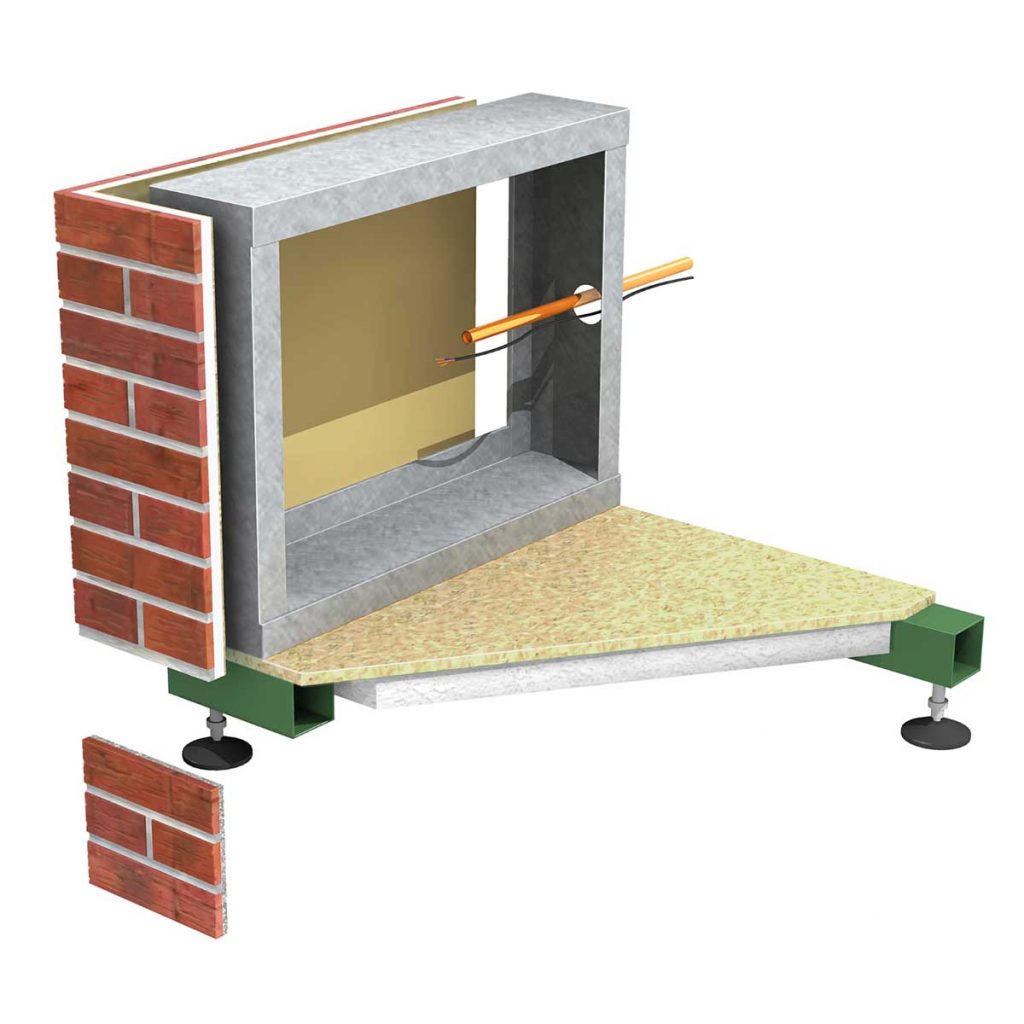
Cutaway of a FireBox
Cutaway illustration showing elements of the firebox for product marketing.
Give Adrian a call if you have a question about this type of illustration.
Learn more about this illustration.
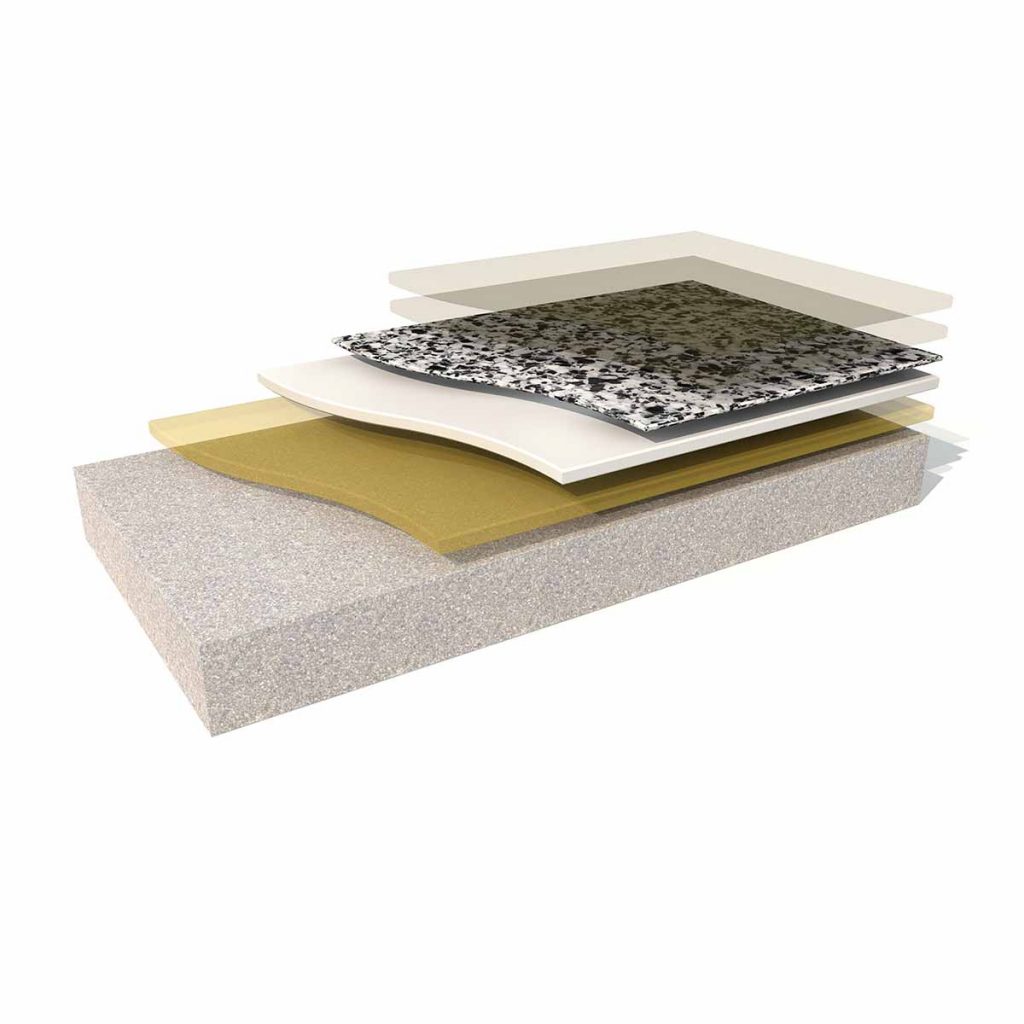
Cutaway & Exploded view
This illustration was commissioned for a flooring treatment company in the UK.
There’s multiple layers of finish in this illustration. And Artistic license was used to good effect to help illustrate the materials used.
Learn more about this illustration.
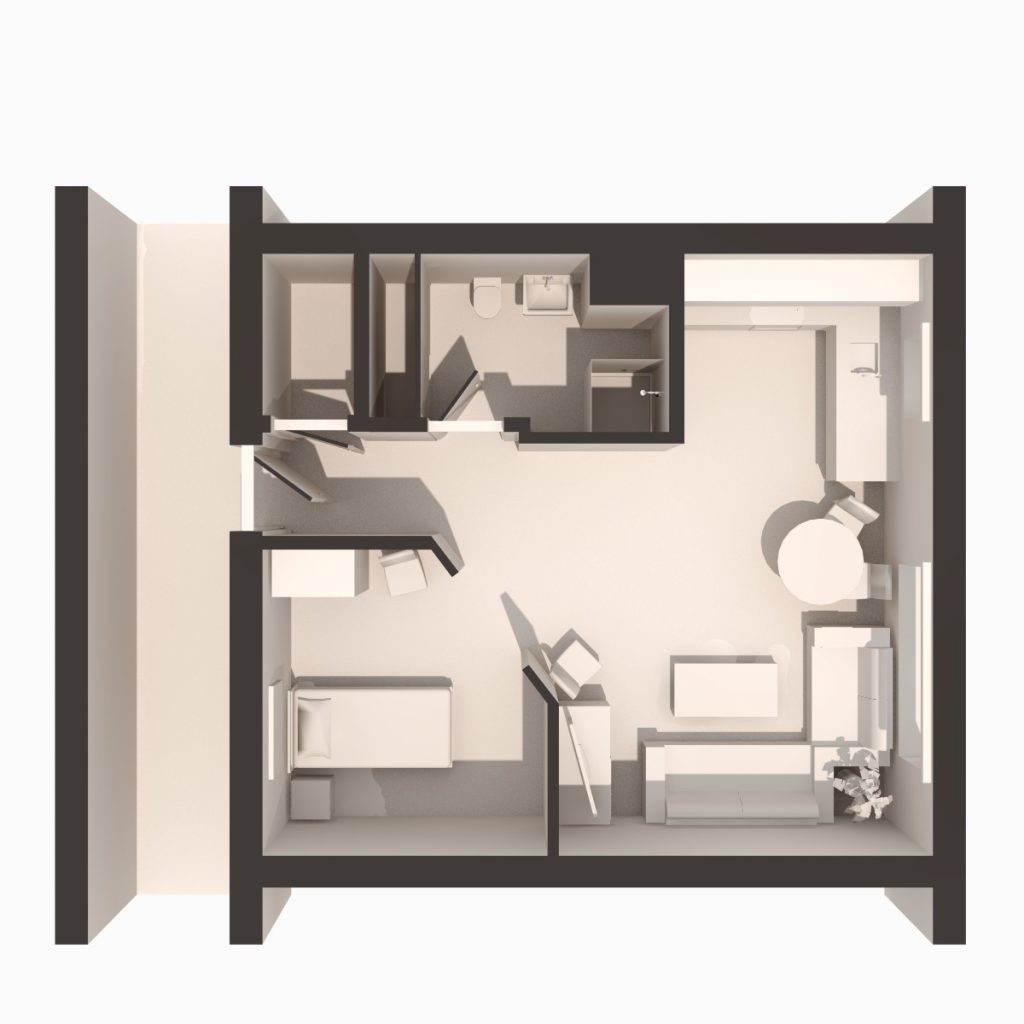
Cross Section
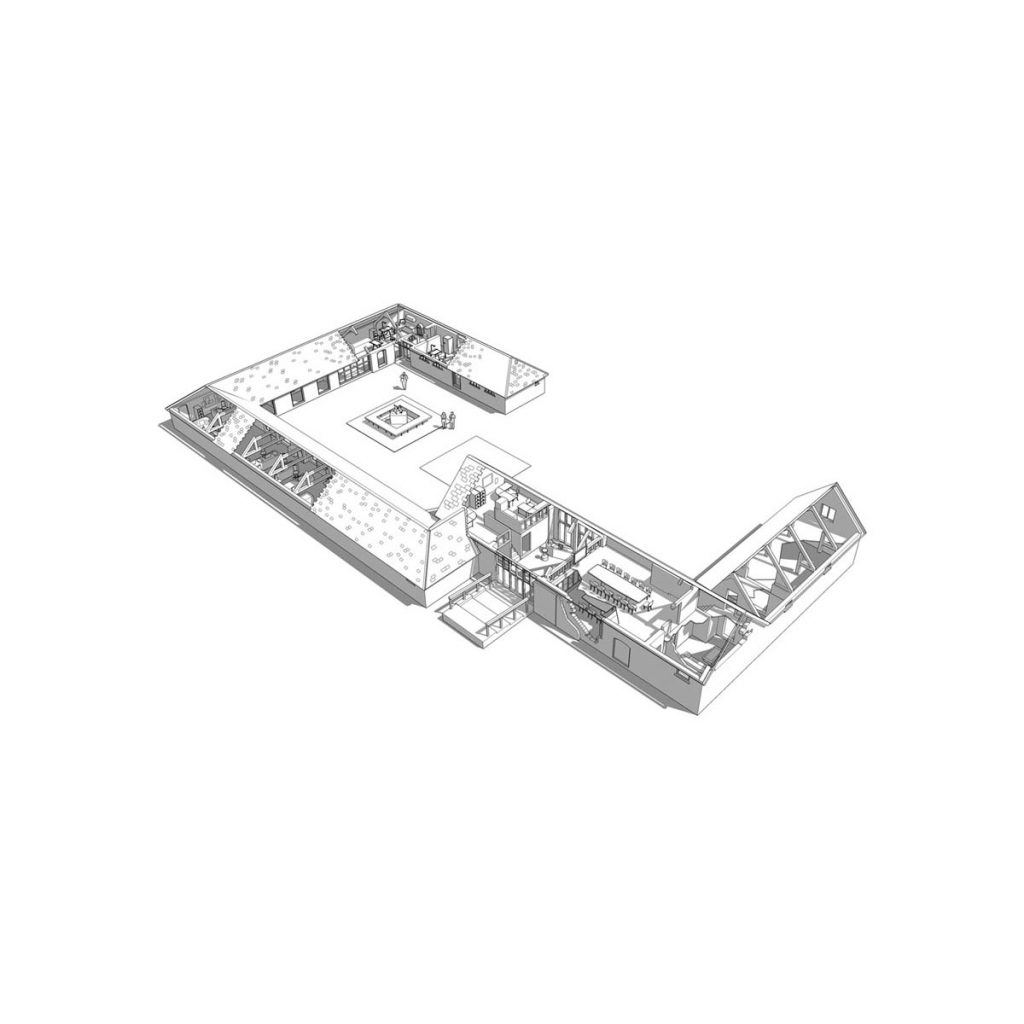
This is a 3d styled floor plan illustration. The cross section helps to show a particular floor in the building.
Learn more about this illustration.
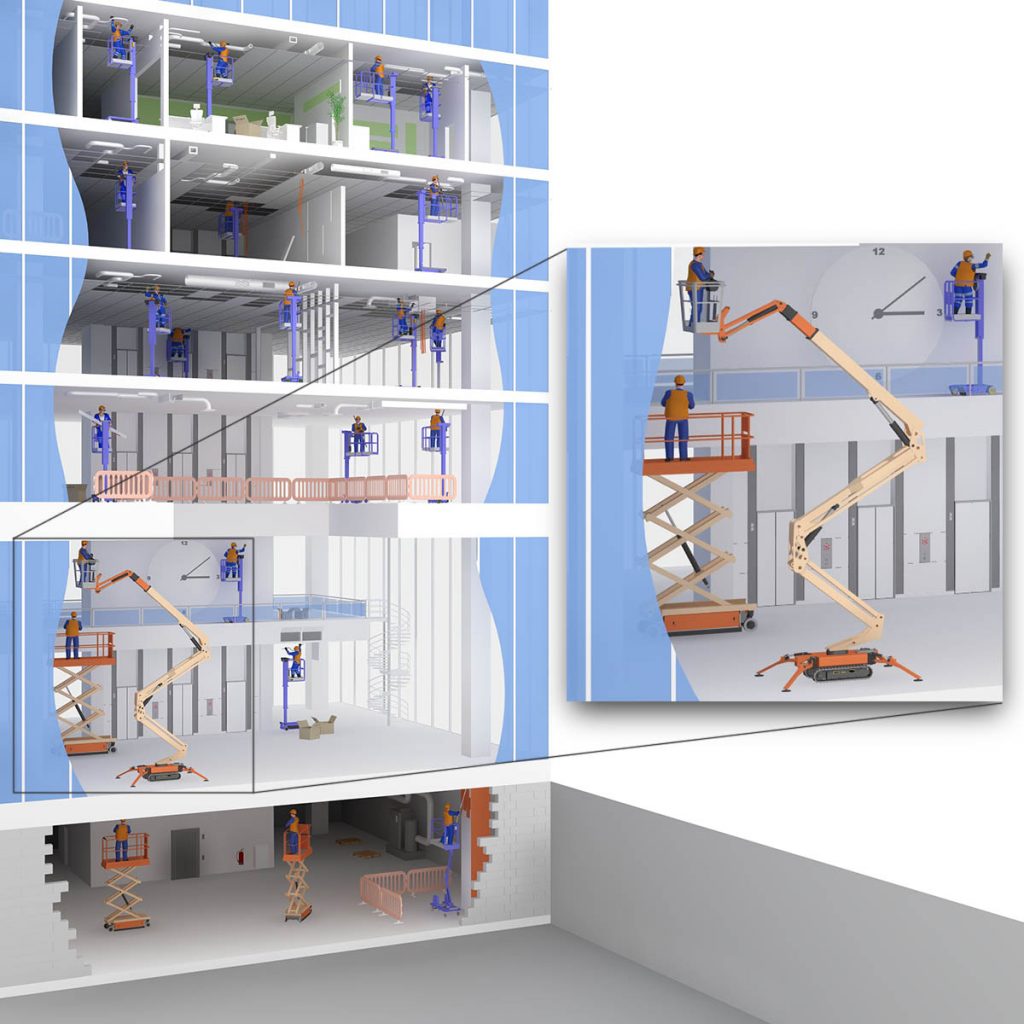
Building Cutaway
This illustration shows the inside of a generic multi story building. Helping to illustrate the environment the PowerTower Units work.
Produce for marketing and sales promotions. It’s design illustrates the product in situation. Interestingly, a “Zoomed In” box is included to highlight the features.
Give Adrian a call if you’re looking for something similar.
Learn more about this illustration.
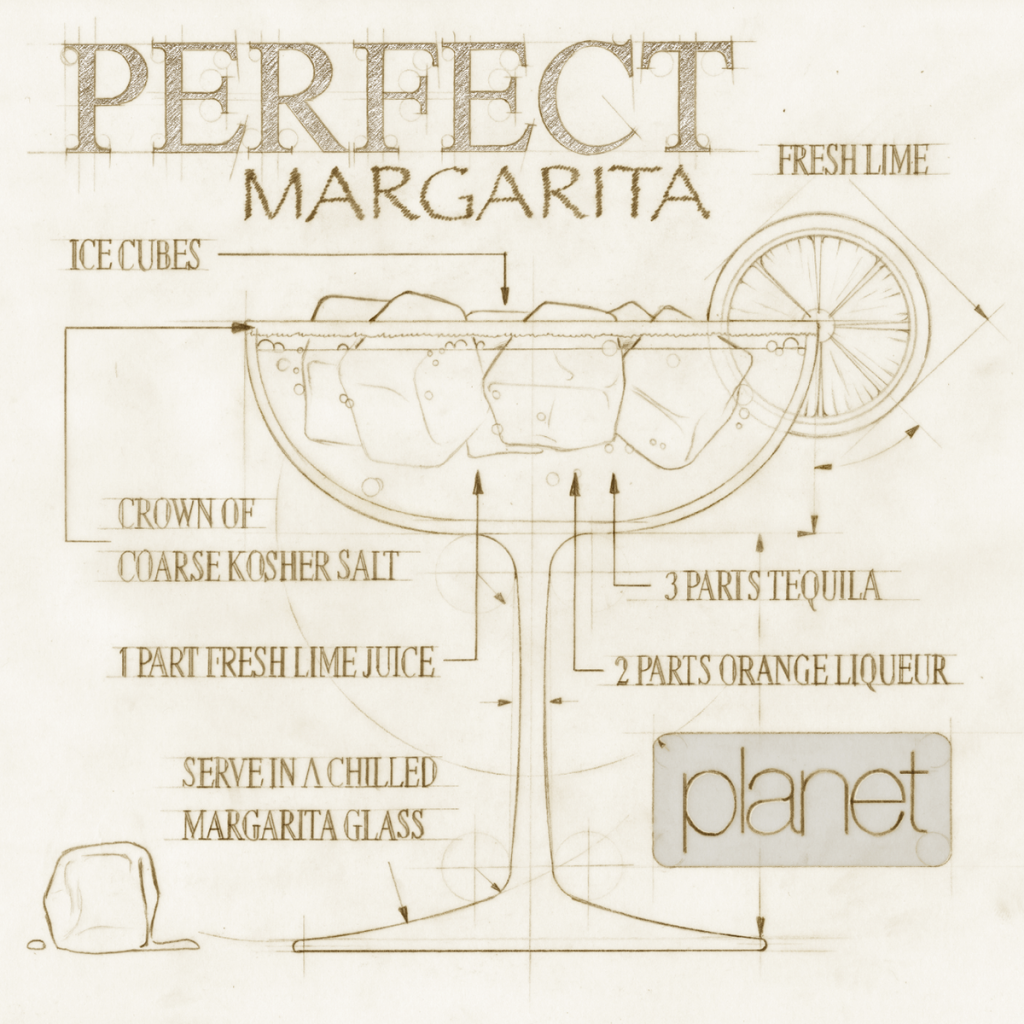
Perfect Margarita
A 2d styled cross sectional view of a Cocktail for marketing. The Da Vinci styled cutaway illustration draws from moderns styled technical illustration or technical drawing.
Originally drawn in pencil, for that authentic look, and re-worked in Adobe Photoshop.
Learn more about this illustration.
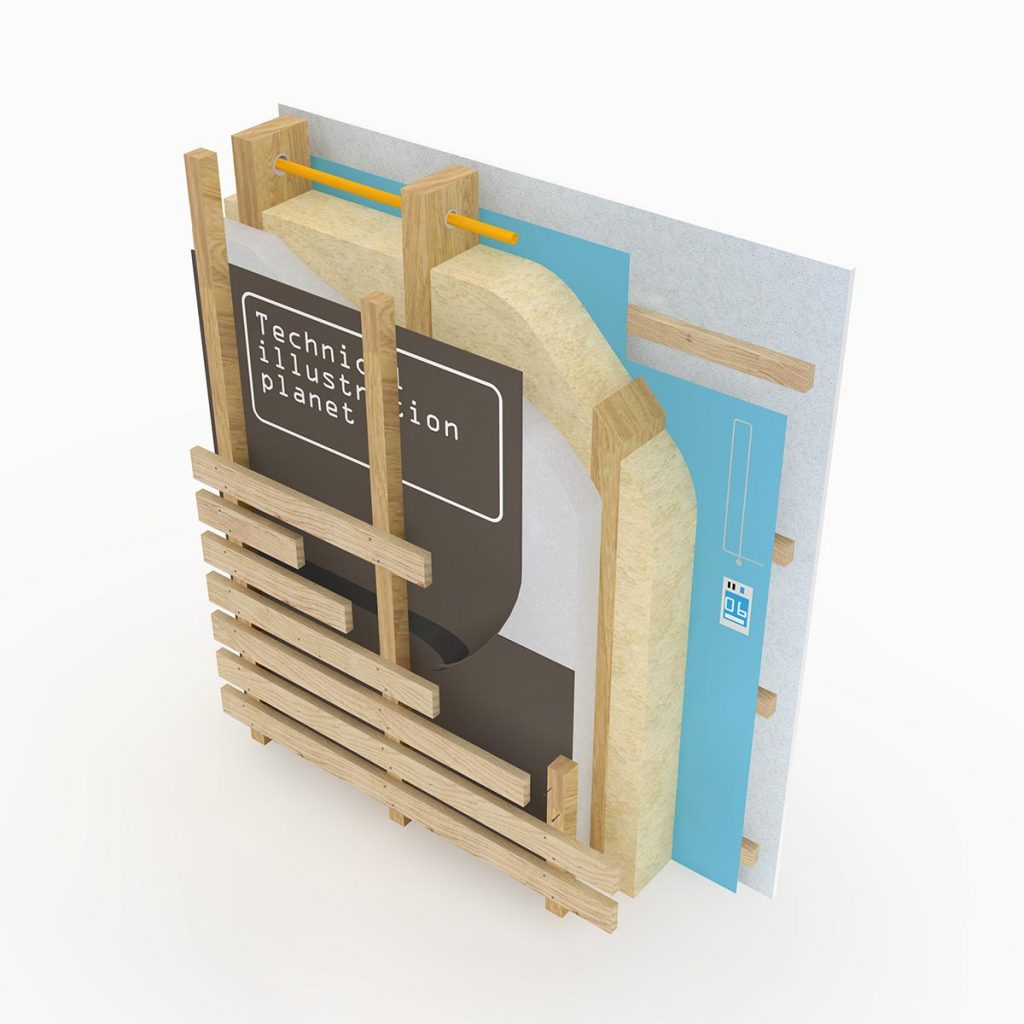
Cutaway illustration
Originally commissioned for a German construction materials supplier. This illustration showcases the layering of different elements in an aesthetic way.
Use of 3d modelling has been advantageous in the production of this and other cross section illustrations.
Learn more about this illustration.
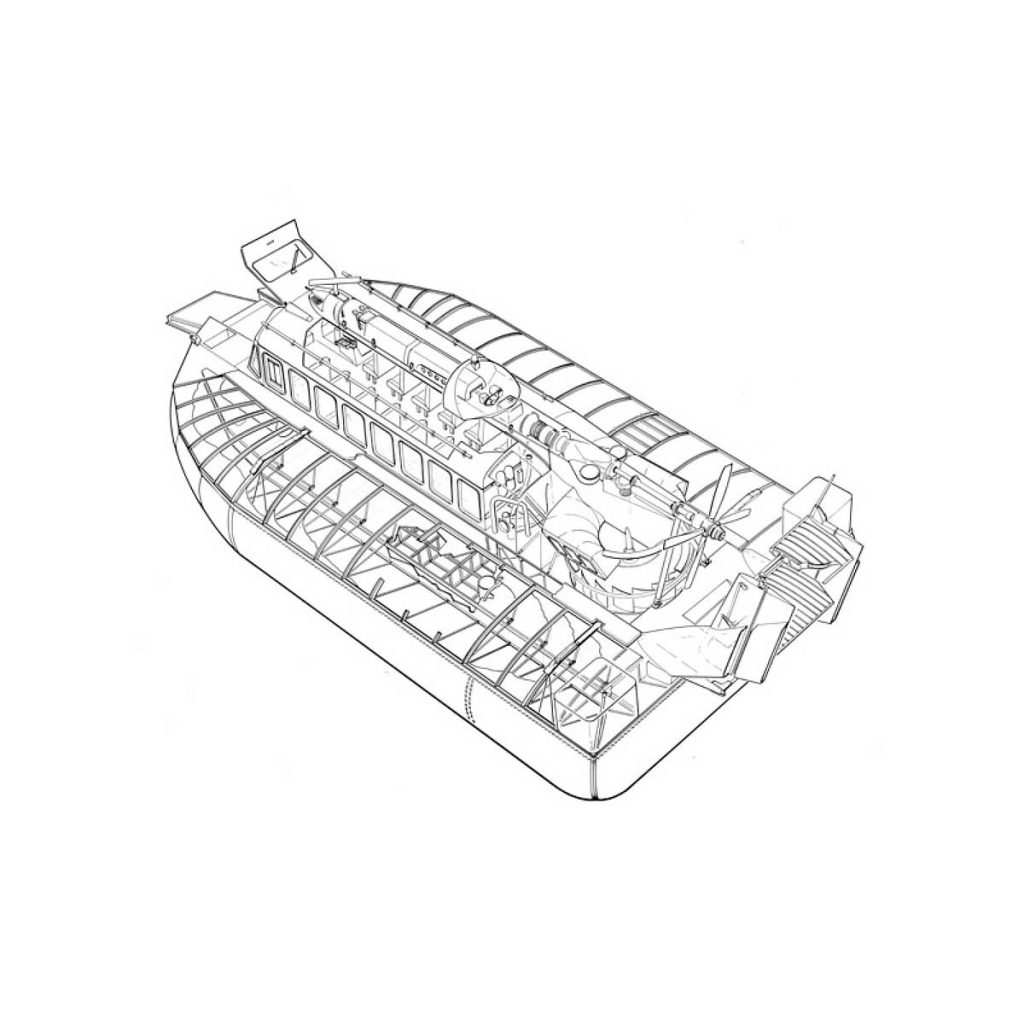
Hovercraft
This technical illustration shows cutaway sections in multiple places on the illustration. Often this is the most effective way to illustrate parts inside something else. Ghosting is an alternative, and you can visit examples of that here.
Learn more about this illustration.
Engineering Cutaway
Multiple cutaway sections are shown here. The focus was for an engineering company and their product in situation. Cutaways draw attention to an illustration in a universal way. Engaging the on-looker, and educating at the same time. Perfect for sales and marketing.
Learn more about this illustration.
Building Technical illustration Style
Produced in a Haynes Manual style for the cover of a Book promoting the Advertising agencies premises in the UK.
Learn more about this illustration.
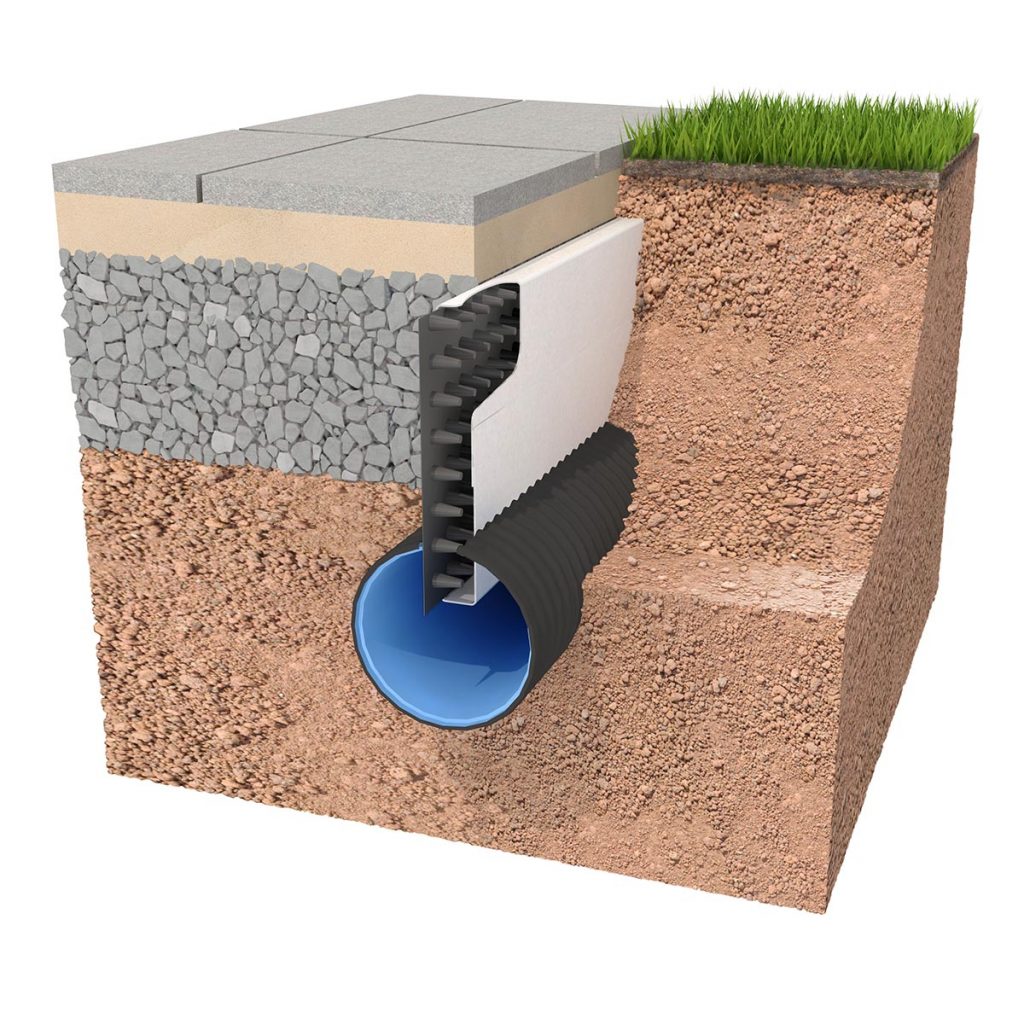
Earthworks Cutaway
Part of a set of illustrations to promote Sub surface products for water control.
Learn more about this illustration.
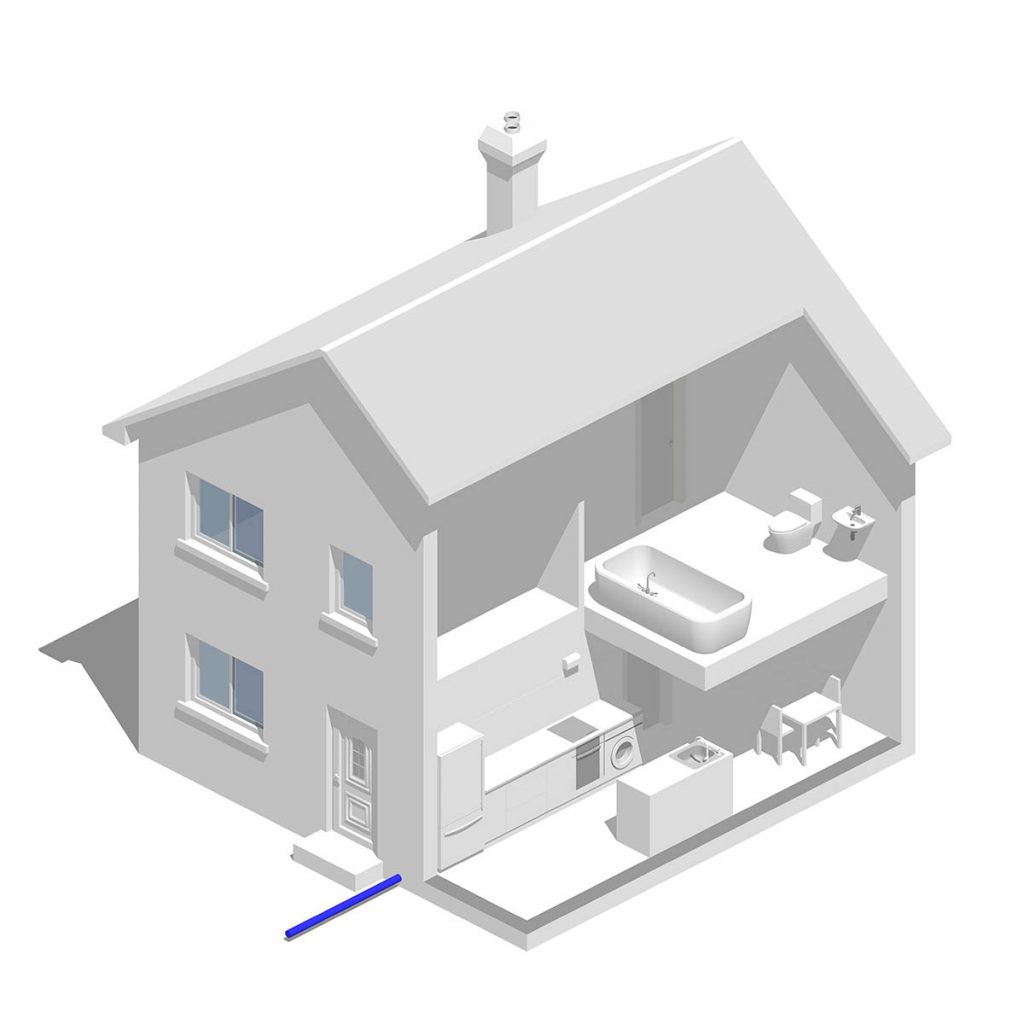
House Cutaway
Used to promote thermal heating and water supply sensors.
A clean and stylish look was required for this product.
Learn more about this illustration.
Cross Sectional towers
Commissioned to highlight the space saving properties of using customers product.
A comparison gave a simple but high strong message.
Perfect for sales and marketing.
Learn more about this illustration.
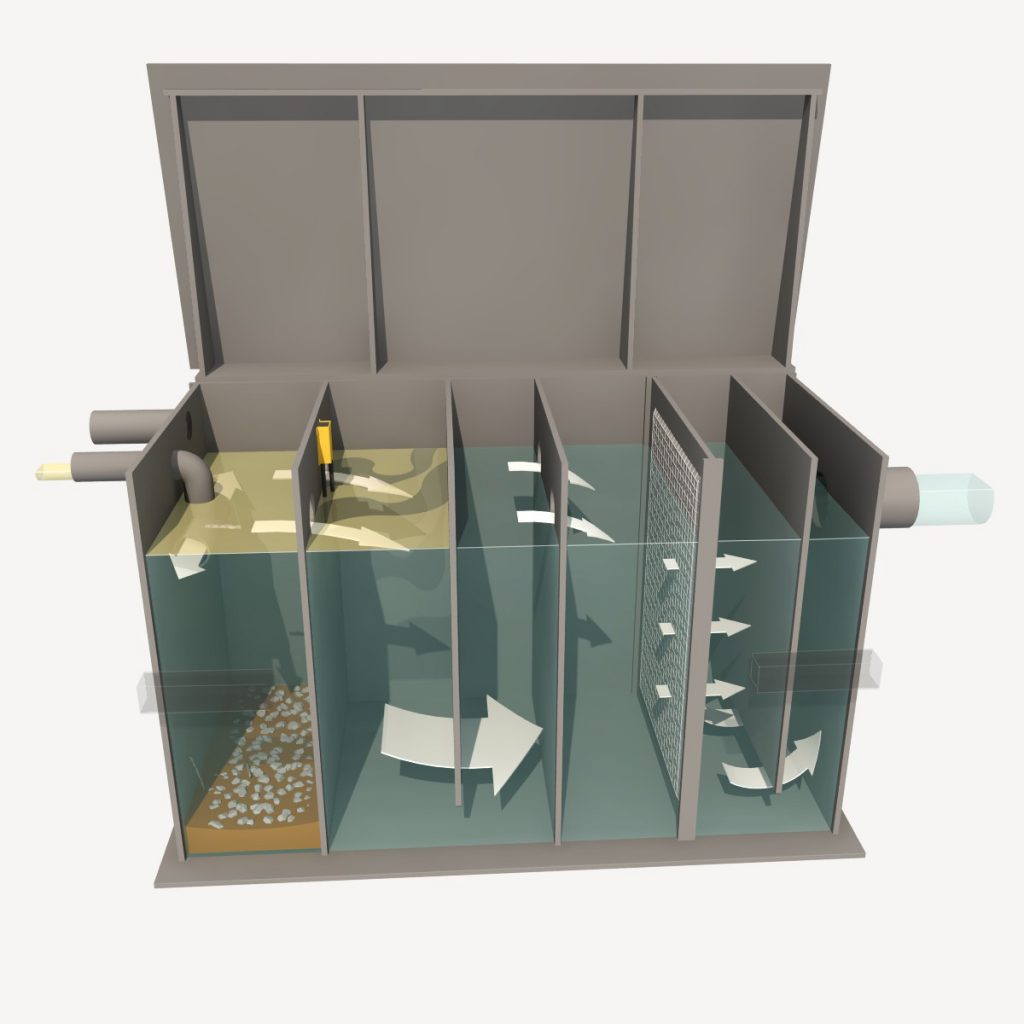
Cutaway and flow
Cutting the side off this water filter, was all that was needed to show how it worked… along with some arrows to show the flow of water. Simple and very effective.
Learn more about this illustration.
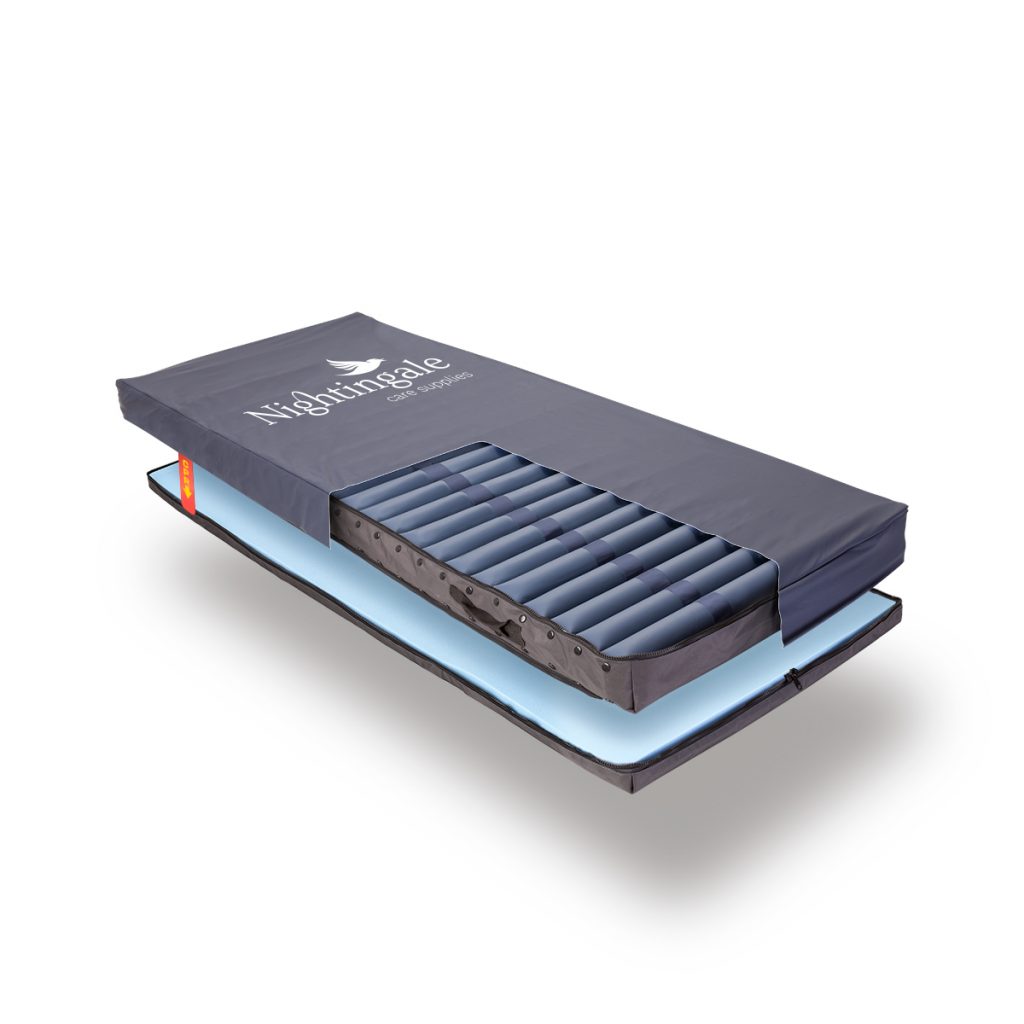
Cutaway and exploded views
A standard 1/4 one quarter cutaway to expose the inner parts, plus an exploded lower element to show it’s detachable properties.
Produced in Photoshop following Art directing the photoshoot.
Call Adrian to find out more about this style of cutaway.
Learn more about this illustration.
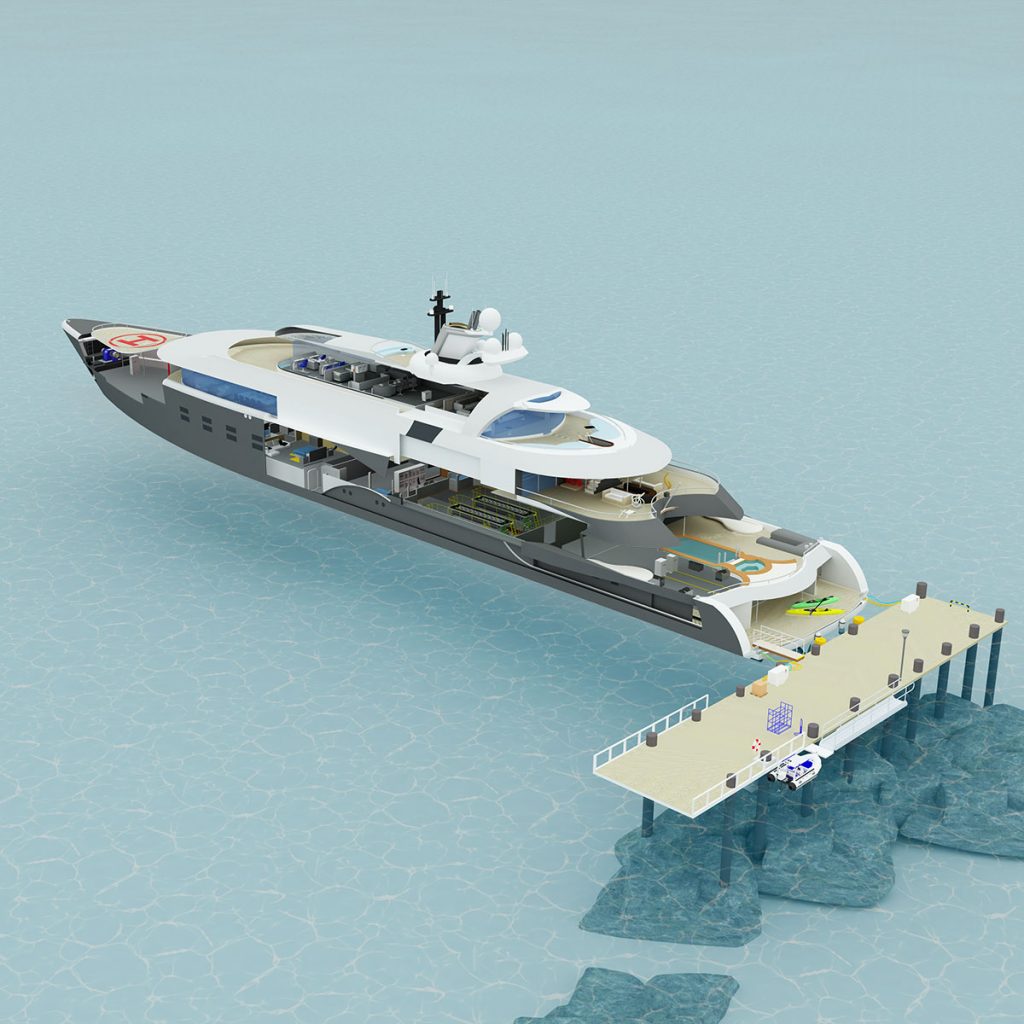
3d model with multiple options
Commissioned by a US Marine company who required a 3d model that provided multiple options for views with added benefit of exposing certain areas of interest as required.
This method was a very cost effective way to allow the customer to change the perspective and remove elements exposing inner parts of the super yacht as required for marketing their products.
Learn more about this illustration & model
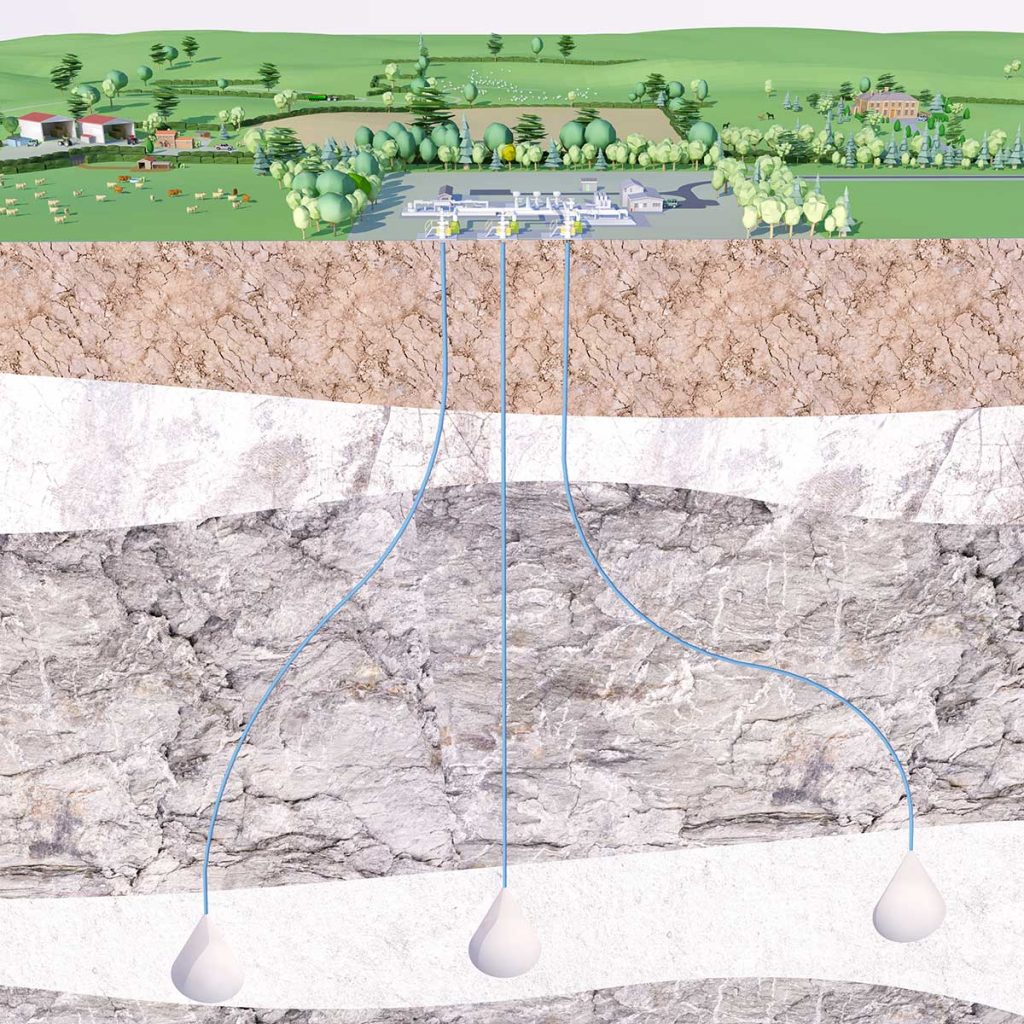
Cross section exposing underground layers
This illustration is a geological cross section to help explain the new development in hydrogen storage underground in salt caverns. A level of reality was needed to allow the public to relate to the illustration.
Using SketchUp to build a model allowed alternative views to be considered.
Call Adrianto find out more about this style of cutaway.
Learn more about this illustration.
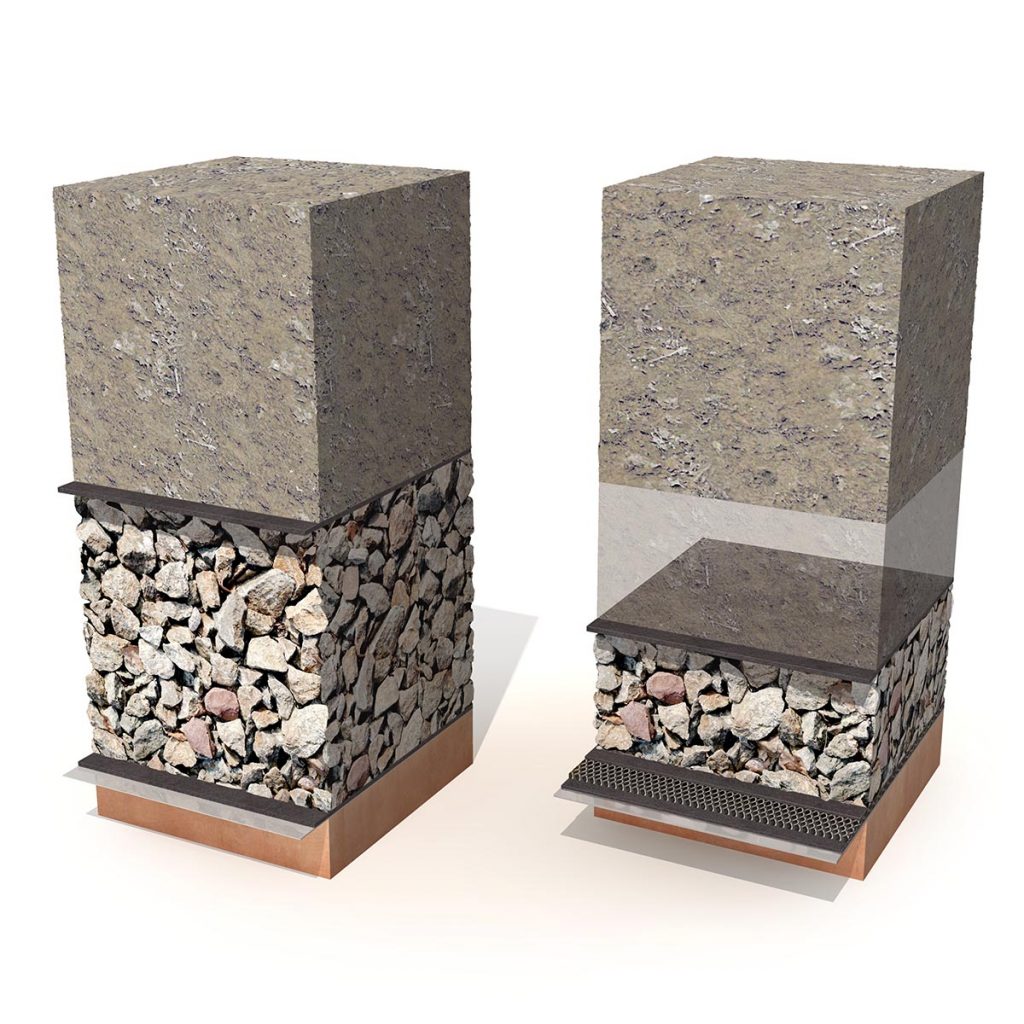
Sectional cutaway
Highly realistic technical illustration presented as stacked or sectional cutaway. The purpose of the illustration was to educate prospective buyers of this new technology, by showing how the geo textile would restrict harmful sea water from being drawn up to topsoil, and collect and hold fresh rainwater, preventing it from draining away into the highly saline water.
This illustration was produced using SketchUp and Adobe Photoshop.
Learn more about this illustration
FAQ - Frequently Asked Questions
Customer FAQ
illustrator FAQ
How much will it cost ?
It’s best to contact Adrian with a clear idea what you want, but if you’re not sure, that’s no problem. You can have an informal chat about what you want to do. This is normally the best method. Call Adrian 07803126079
When can I have it ?
Delivery is typically within 2 weeks. Although the delivery depends on many factors, like amount of work involved. The speed in which reference or answers to questions from the customer can also impact progress. In other cases, some commissions are completed in a matter of a few days. It all depends on the volume of work, and schedule. I suggest asking during the briefing.
What if I don't like it ?
In 33 years freelancing, I’ve never had a job go bad. But I do have a process in place to help protect the customer and myself. It’s a simple process. The illustration is produce over multiple steps, to avoid confusion or going off track. My customers like it, because it involves them, giving input. That way we avoid misunderstanding things, and if so, it’s corrected at that stage.
I always encourage my customers to honestly give feedback when the illustration is delivered to make sure they’re happy with it. And if there’s anything (it happens), then it’s rectified.
Read my reviews to see how commissions go. Reviews
Copyright, who owns it ?
Typically, the copyright belongs to the original artist, but the exclusive usage belongs to the commissioning customer. This is standard international copyright law. And means that nobody without consent from the original artist and commissioner can legally use part of or wholly the art in question. Copyright Law
What do you want illustrating ?
The best method to start with is a telephone conversation. This will cover many questions, and help guide the best options available. This will speed things up a lot, and answer any concerns you might have. Call Adrian 07803126079
Do you have a budget ?
Try to be realistic about commissioning a bespoke illustration from a professional illustrator.
I don’t overcharge my customers, because they’ll go somewhere else next time.
It’s good business to be honest and work together as a team to get the best results. Simples !
Collect all the information you have to help produce the illustration
So please collect reference suitable for the commission.
Are you available for questions & updates ?
During the illustration process, it’s important that there’s communication between the illustrator and one other, who’s the point of contact regarding the illustration commission. This is often the person who contacts the illustrator originally. But sometimes it’s a team of people.
In that case one person should be appointed the main contact. This will avoid conflicting feedback, and keep a clear channel for communication.
Want more information?
With over 30 years experience, I’m sure we can help you… make that call.